
Skip to content Call Us: (918) 245-0224

Coffee, tea, tobacco and time all leave their mark on enamel. Professional teeth whitening can brighten natural teeth well beyond what a drugstore product usually manages. At Dentistry For You Sand Springs, whitening starts with an exam to make sure nothing underneath needs care first.

Why Teeth Lose Their Color

There are two kinds of discoloration, and they respond differently.

Surface stains come from what you eat, drink and smoke: coffee, tea, red wine, dark sodas and tobacco. They sit on the outer enamel and usually respond well to whitening, and a professional cleaning removes some of them on its own.

Deeper discoloration is another story. Enamel wears thinner with age, so more of the yellower layer underneath shows through. Certain medications taken in childhood can stain teeth from the inside, and a tooth that was injured or had a root canal can darken by itself. Whitening helps with some of this but not all, and that is where other cosmetic options come in.

Dr. Brown will tell you which kind you have before you start, because it changes what you can expect.

A shade guide held against a patient's teeth

How Professional Whitening Works

First comes an exam and a shade check, so we know your starting point and can spot anything that needs treatment. Then Dr. Brown recommends the whitening approach that fits your teeth and your goals.

Professional whitening uses a stronger gel than store-bought kits, applied in a way that protects your gums. We explain how long treatment takes, what results are realistic for your teeth and how to care for your smile afterward, so there are no surprises along the way.

What Whitening Will Not Do

Whitening works only on natural teeth. Crowns, veneers, bridges and tooth-colored fillings do not change color, so a crown on a front tooth will stay the same shade while the teeth around it get lighter. In that case, the usual plan is to whiten first, let the new shade settle, then replace the restoration to match.

Whitening also does not fix chips, gaps or crowding. Those call for options such as tooth-colored fillings, porcelain veneers or clear aligners.

Sensitivity

Some sensitivity during whitening is common, and it usually fades within a day or two after treatment ends. It tends to be a quick, sharp twinge with cold rather than a steady ache.

If it bothers you, do not just tough it out. Let us know and we will adjust the plan, and a toothpaste for sensitive teeth can help for a while. Sensitivity that sticks around after whitening is worth a check, because it often points to something else.

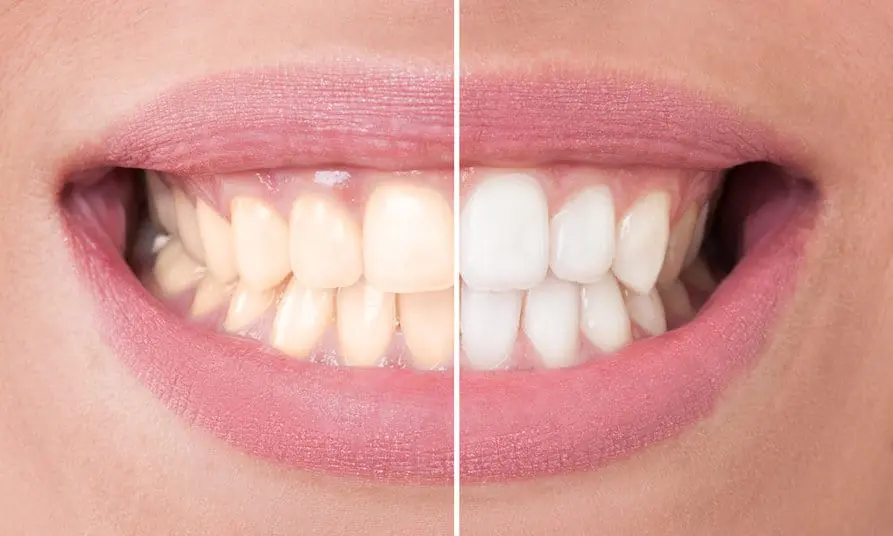
A before and after comparison of tooth colour on one smile

Making Your Results Last

How long a whiter smile lasts depends mostly on your habits, and what you drink plays a big part. The first couple of days after whitening matter most, so it is smart to skip coffee, tea, red wine and other dark drinks for that stretch.

After that, sipping staining drinks through a straw helps, rinsing with water afterward helps, and keeping up with your regular cleanings removes surface stain before it sets in. Ask us about touch-up options when your shade starts to fade.

Before You Whiten

Whitening gel on an untreated cavity or an exposed root can really hurt, and whitening over gum disease treats the wrong problem. That is why your first appointment is an exam, not a sales pitch.

Call (918) 245-0224 or use our contact form.

Book a Whitening Consultation

We will check your shade, look for anything that needs care first and explain your whitening options.