
A crown covers the whole visible part of a tooth, giving back its shape, strength and ability to chew. At Dentistry For You Sand Springs, Dr. Brown may suggest a crown for a tooth that is cracked, holds a large filling, has worn down, or has been weakened by root canal treatment.
Our crowns are made from porcelain, a metal-free material that can be shaded to match your natural teeth and resists staining, so your smile still looks like you while the tooth underneath stays protected.
When Is a Crown the Right Choice?
A filling fixes one damaged area of a tooth, and it depends on the healthy tooth around it for support. Once too much of the tooth is broken or lost, a crown can cover and protect what is left.
Dr. Brown may recommend a crown if you have:
- A tooth that is cracked or broken
- An old, large filling with weak tooth structure around it
- Teeth worn down from grinding or clenching
- A tooth that needs protection after a root canal
- A broken cusp (one of the raised points on a tooth's chewing surface)
What makes sense for you depends on how much healthy tooth is left and where the damage sits. We'll examine the tooth, show you what we see on your digital X-rays and intraoral camera images, and talk through whether a crown or another option fits best.
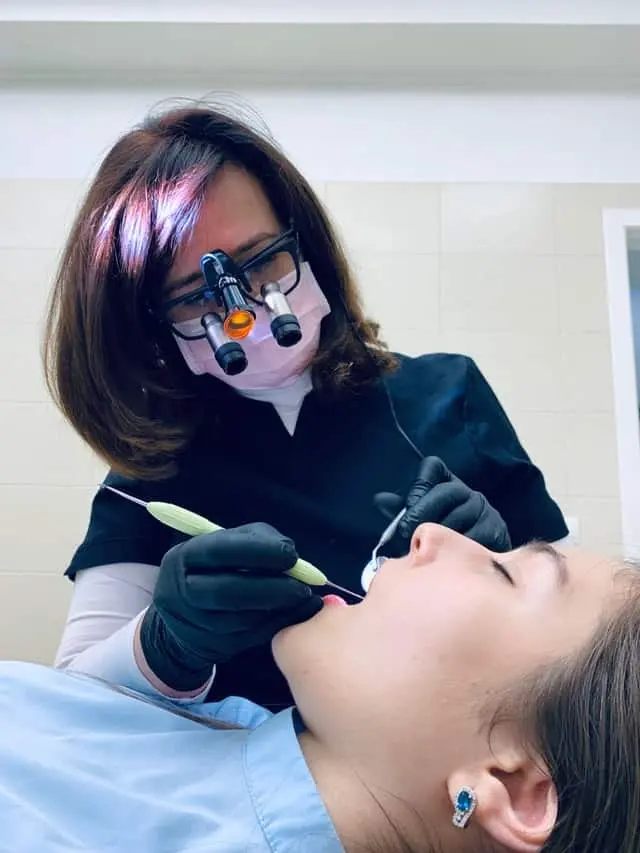
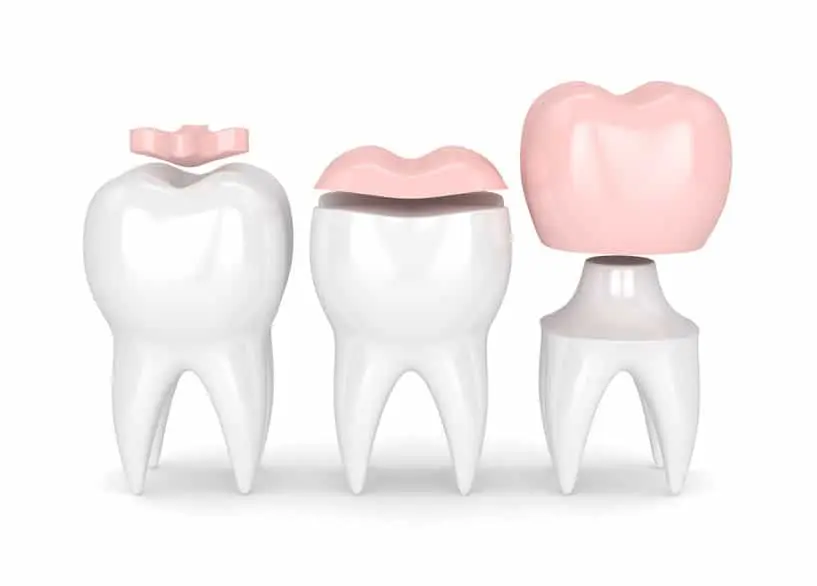
Dental Crowns for Cracked Teeth
A cracked tooth is not always easy to pin down. Some people feel a sharp pain when they bite down or let go of a bite. Others notice sensitivity that comes and goes, or discomfort only with certain foods or at a certain angle.
Many cracks are hard to see during a regular exam, and some don’t show clearly on X-rays. Dr. Brown may need to look closely at the tooth, use the intraoral camera, and run a few simple tests to find where the crack is and how far it goes.
Depending on the crack, a crown can help hold the tooth together and shield it from the force of chewing. A crack that runs too far below the gumline or into the root, though, may mean the tooth can’t be saved.
If it hurts to bite or chew, don’t wait for your next cleaning to have it checked. Looking at it early gives Dr. Brown more options for treatment.
What to Expect When You Get a Crown
Most crowns take two visits, because the final crown is made by a dental laboratory.
Your First Visit
We start by numbing the area so you stay comfortable. If dental work makes you nervous, ask us about laughing gas or oral sedation. Dr. Brown then removes any decay, damaged tooth or old filling material. If a large part of the tooth is missing, he may rebuild it with a core buildup so the crown has something solid to sit on.
Next, the tooth is shaped to make room for the crown. We take an impression so the lab can make a crown that fits your tooth, and we choose a shade that blends with the teeth around it.
A temporary crown goes on to protect the tooth while your permanent crown is being made.
Your Second Visit
When the permanent crown is ready, you’ll come back to have it placed. Dr. Brown takes off the temporary and checks the new crown for fit, color and how it meets the teeth beside it. Your bite is checked and adjusted as needed.
Once the crown fits well and your bite feels right, it is cemented in place.
Before you leave, we’ll explain how to care for your new crown and what to expect over the next few days.
Caring for a Temporary Crown
A temporary crown protects your tooth while the lab makes your permanent one, but it isn’t held on as firmly as the final crown.
While you have a temporary crown:
Skip sticky foods, like caramels or gum, that could pull it off.
Go easy on hard foods and chew on the other side when you can.
Brush gently around it and keep the area clean.
When you floss, slide the floss out to the side instead of lifting it straight up.
If the temporary comes off, keep it and call our office. The tooth underneath may be sensitive, and leaving it uncovered can let it or the teeth next to it shift, which can change how the permanent crown fits.
Please don’t try to force it back on yourself. Call us at (918) 245-0224 and we’ll tell you what to do next.
Why We Use Porcelain Crowns
Crowns can be made from several materials. The right one depends on which tooth is being restored, how you bite and how you want the tooth to look.
Natural-Looking Porcelain
Porcelain crowns contain no metal and can be shaded to match the color of your own teeth. That makes them a good fit for teeth that show when you smile or talk.
Planning for Back Teeth
Back teeth take most of the force when you chew. When he plans a crown for a molar, Dr. Brown considers your bite, any grinding or clenching, and how much tooth remains, so the crown suits the work it has to do.
Stain Resistance
Porcelain resists staining from coffee, tea and everyday foods, and because it is metal-free, there is no metal to show through at the gumline. It is made to look like a natural part of your smile.
No single material is right for every tooth. Dr. Brown will explain the choices and recommend one based on your tooth, your bite and your goals.
Read more about the materials we use on our metal-free dentistry page.
How to Care for Your Crown
The crown itself can’t get a cavity, but the natural tooth underneath still can. Plaque tends to build up along the edge where the crown meets the tooth, so cleaning every day still matters.
To look after your crown:
Brush twice a day with a fluoride toothpaste.
Clean between your teeth every day with floss or another tool your hygienist recommends.
Keep up with your regular checkups and cleanings.
Tell us if the crown feels loose, becomes sore or chips.
If you clench or grind your teeth, ask Dr. Brown whether a night guard could help protect your crown and the rest of your teeth.
With good care, a crown can last for many years. How long yours lasts depends on the material, the tooth underneath, your bite, and how well you keep the area clean.
Schedule a Dental Crown Visit in Sand Springs
If you have a damaged tooth, pain when you bite, or an old filling that may need attention, Dentistry For You Sand Springs can help you sort out your options. Dr. Brown will examine the tooth, explain what he finds, and talk with you about whether a crown or another treatment makes sense.